18 August 2026

Shinobi II: The art of exposure

Artist Claire Luxton uses the Shinobi II to monitor framing, focus and exposure across self-portraits, behind-the-scenes content and public art.

By Atomos

Claire is a contemporary artist based in East Sussex, UK, known for her photography, self-portraiture and large-scale public art. Over the last fifteen years, she has used her art to look closely at themes of identity, the natural world and everyday human life. “My projects range from highly constructed self-portraits created in the studio or landscape, through to large public installations and international commissions,” she says. “Whilst photography sits at the heart of my practice, I often combine performance, sculpture, set design and installation to bring the final image together.”

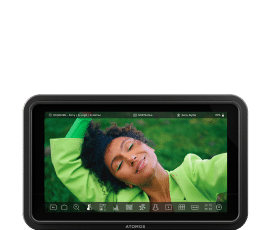
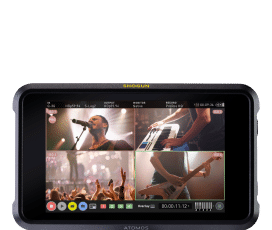
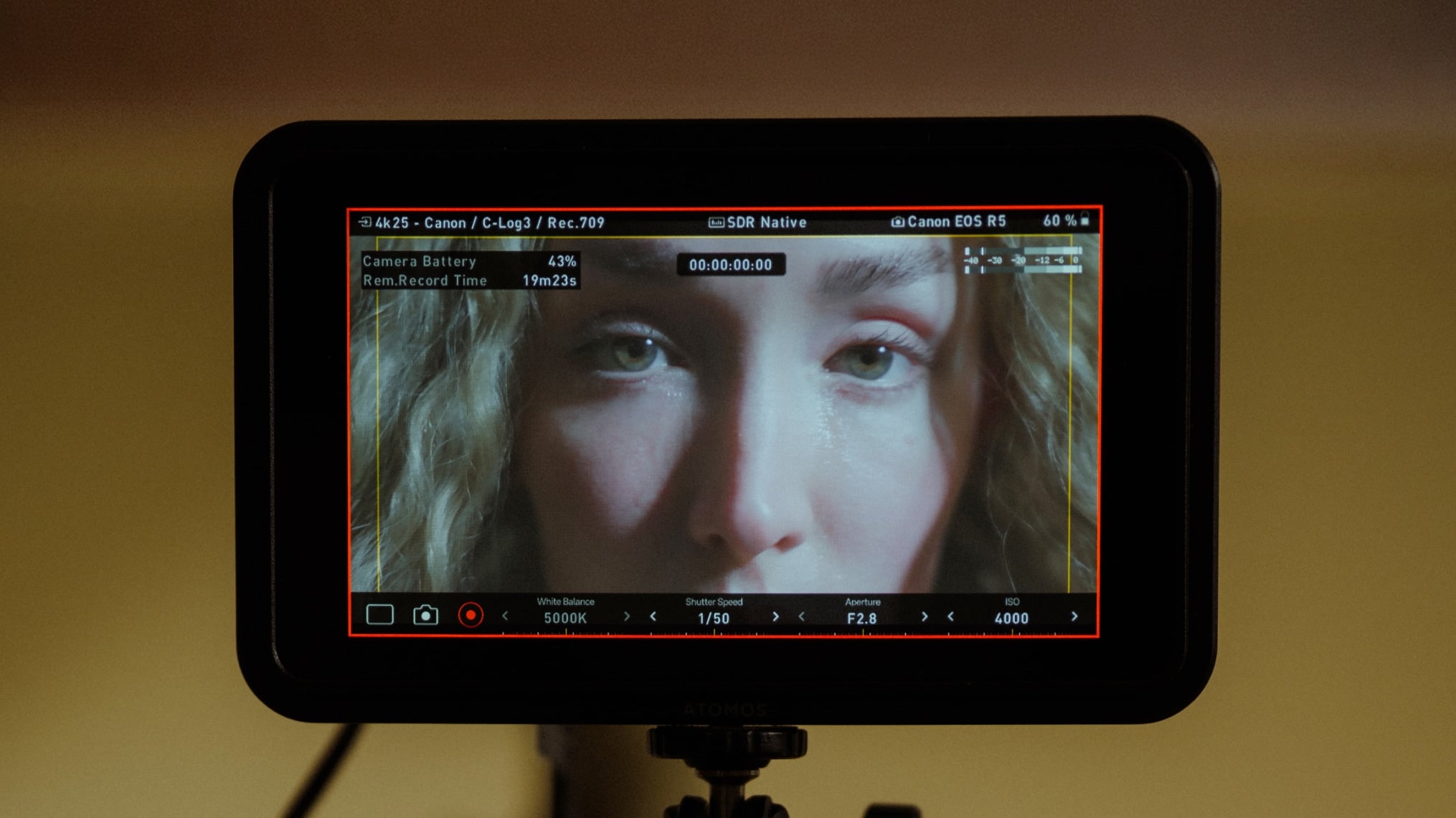
Claire uses a Canon R5 with a 24-70mm lens for filming and behind‑the‑scenes work, and a Hasselblad X1D II for portraits, giving her the flexibility to capture everything from intimate self‑portraits to BTS content and wider environmental shots. With Shinobi II, she can check her framing clearly whether she’s in front of the camera or behind it. The compact 5-inch screen, intuitive monitoring tools and lightweight build make it easy for her to keep a clear view of the image, especially when she’s working alone. “Being able to assess composition, focus and fine details without relying solely on the camera’s rear screen makes a big difference,” she explains.

Working in Log makes tools like zebras and LUT previews useful, helping Claire judge exposure and see a more natural image while filming. “When I can see exposure clearly, I know I’m getting everything I need, whether I’m in the studio or out on a shoot,” she says. “As I’m often directing, filming and performing simultaneously, having that level of visibility and control throughout the process is a huge help.”

Shinobi has become a key part of Claire’s workflow when filming behind-the-scenes content for brand campaigns and large-scale commissions. Most recently, she used it while documenting projects for Skyscanner and Murrayfield Stadium, capturing both the process and the final artworks. “A larger screen lets me stay focused on the creative side instead of constantly checking the camera,” she says. “It reassures me that I’ve captured what I need, whether I’m documenting studio work, or out on location shoots or large-scale installations.”

“Being able to assess composition, focus and fine details without relying solely on the camera’s rear screen makes a big difference.”

Claire switches between carefully managed studio spaces and varied outdoor locations, and Shinobi helps her maintain a consistent look across both. “In the studio, it helps me refine my lighting, composition and small details, while on location the bright, high resolution display makes it easy to adapt to shifting weather, changing light and tougher conditions,” she says. “It’s reliable in every environment, which is important when I’m moving quickly or working across multiple setups.”

Claire is currently developing a number of new photographic pieces alongside upcoming public art projects and installations. “A lot of my process involves experimenting with ideas, building detailed compositions and documenting each stage of the work, so the Shinobi supports me from the first concept all the way through to the final piece,” she says. “It’s become an integral part of my setup, helping me progress from experimentation into final production.”

Learn more about Shinobi on our website

SHOP Shinobi II

Keep Exploring

Case Study

Capturing cymatics with Shinobi II

Case Study

Monster-speed filmmaking

Case Study

Flying high: from shorts to features

Join the Atomos Community!

Sign up to get the latest Atomos news, filmmaking tips, firmware updates, and early access to new products and cloud tools.

You can unsubscribe at any time. See our Privacy Policy

Atomos shop is now available in Australia, EU, UK & USA.
Free Shipping for orders over $70!

For a reseller in your area, see here

Select your country