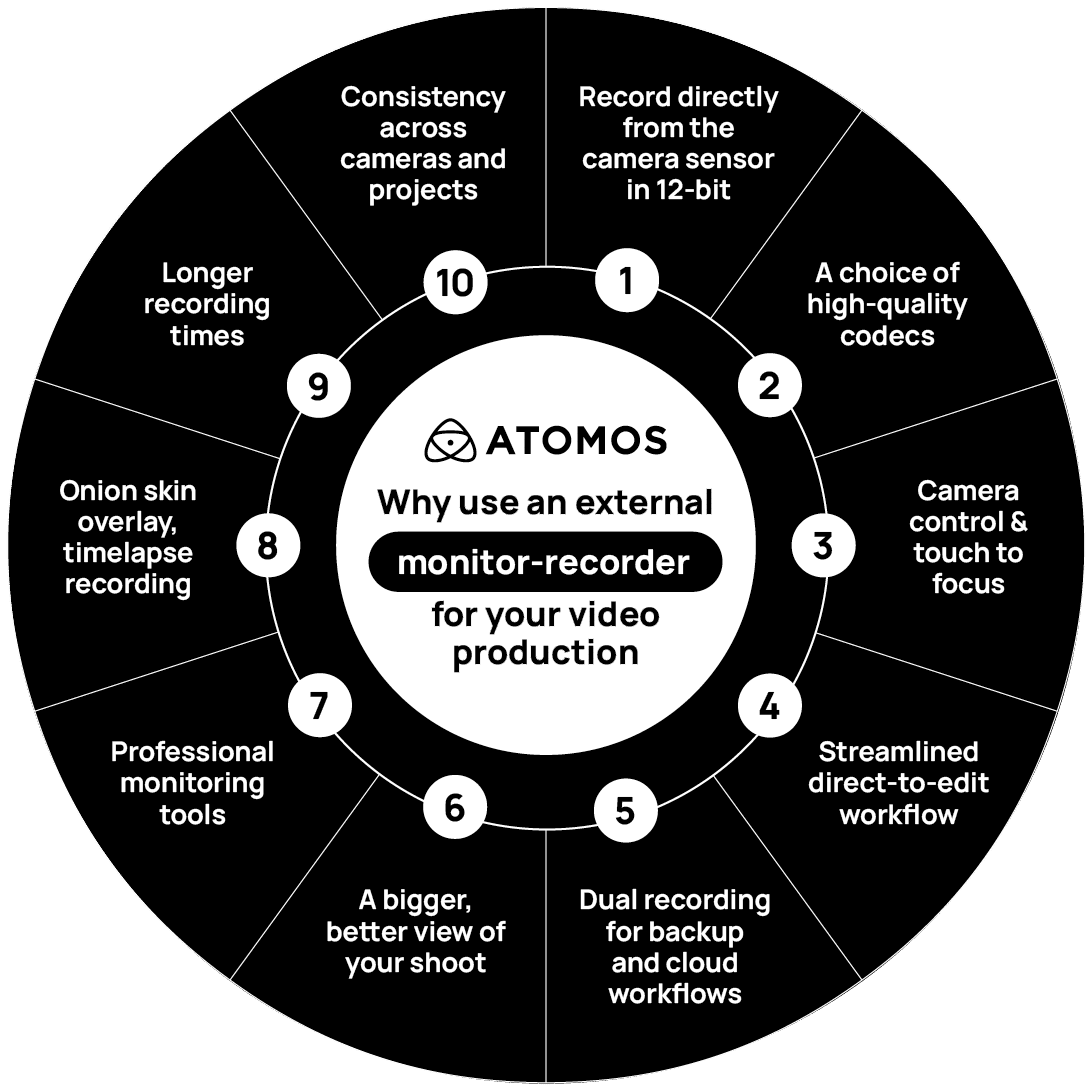
3. Camera control
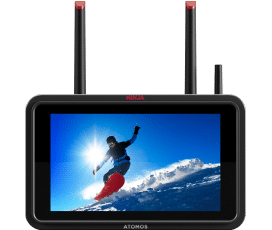
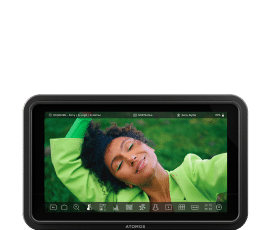
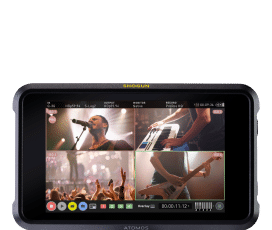
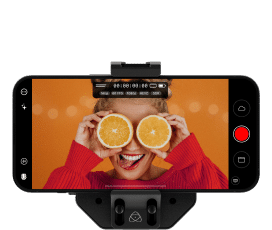
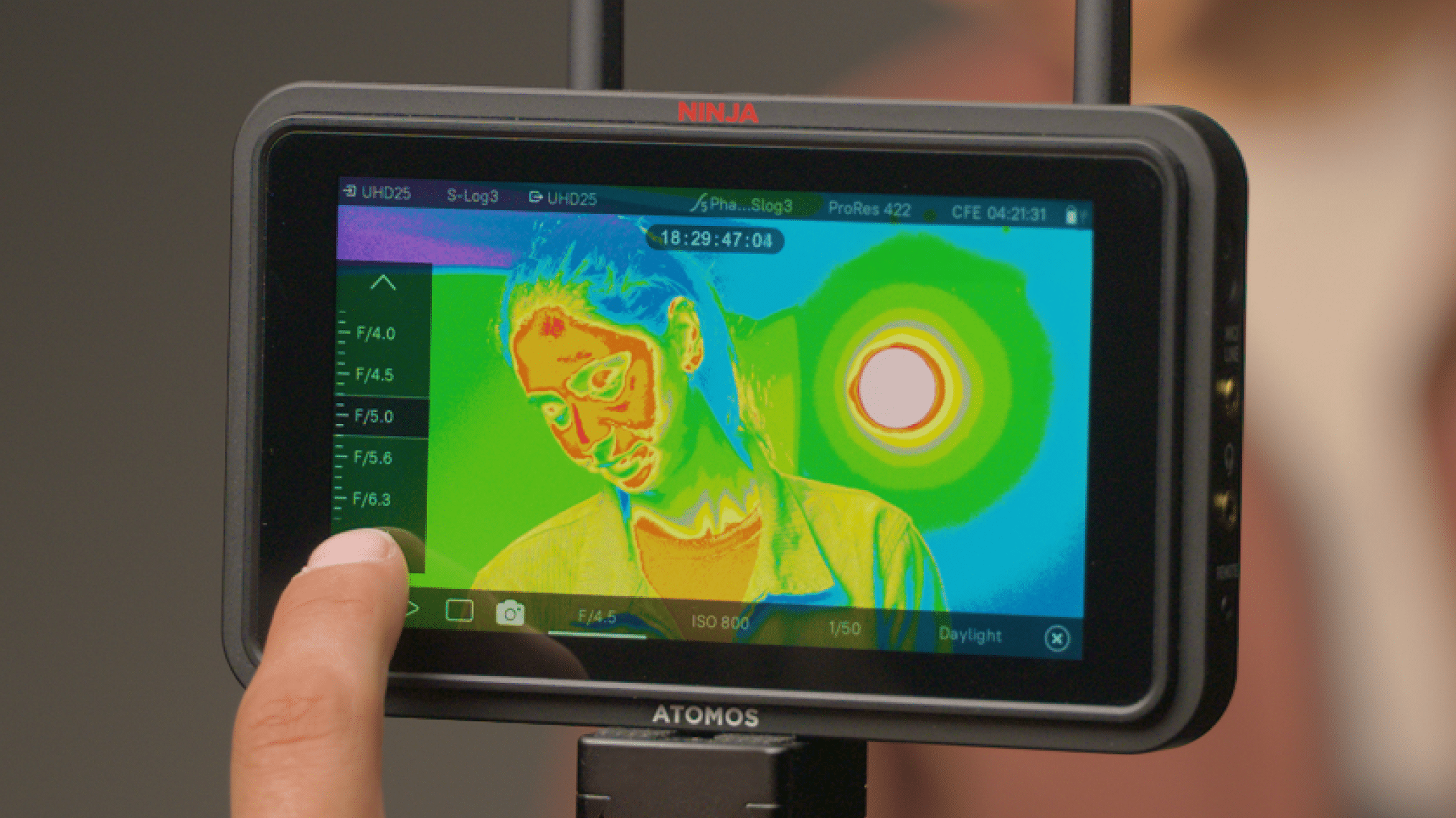
The latest Atomos monitor-recorders, Ninja TX GO and Ninja TX, incorporate USB-C ports to enable camera control on supported cameras from Canon, Fujifilm, Nikon, Panasonic, Sony, Z CAM and other leading brands.
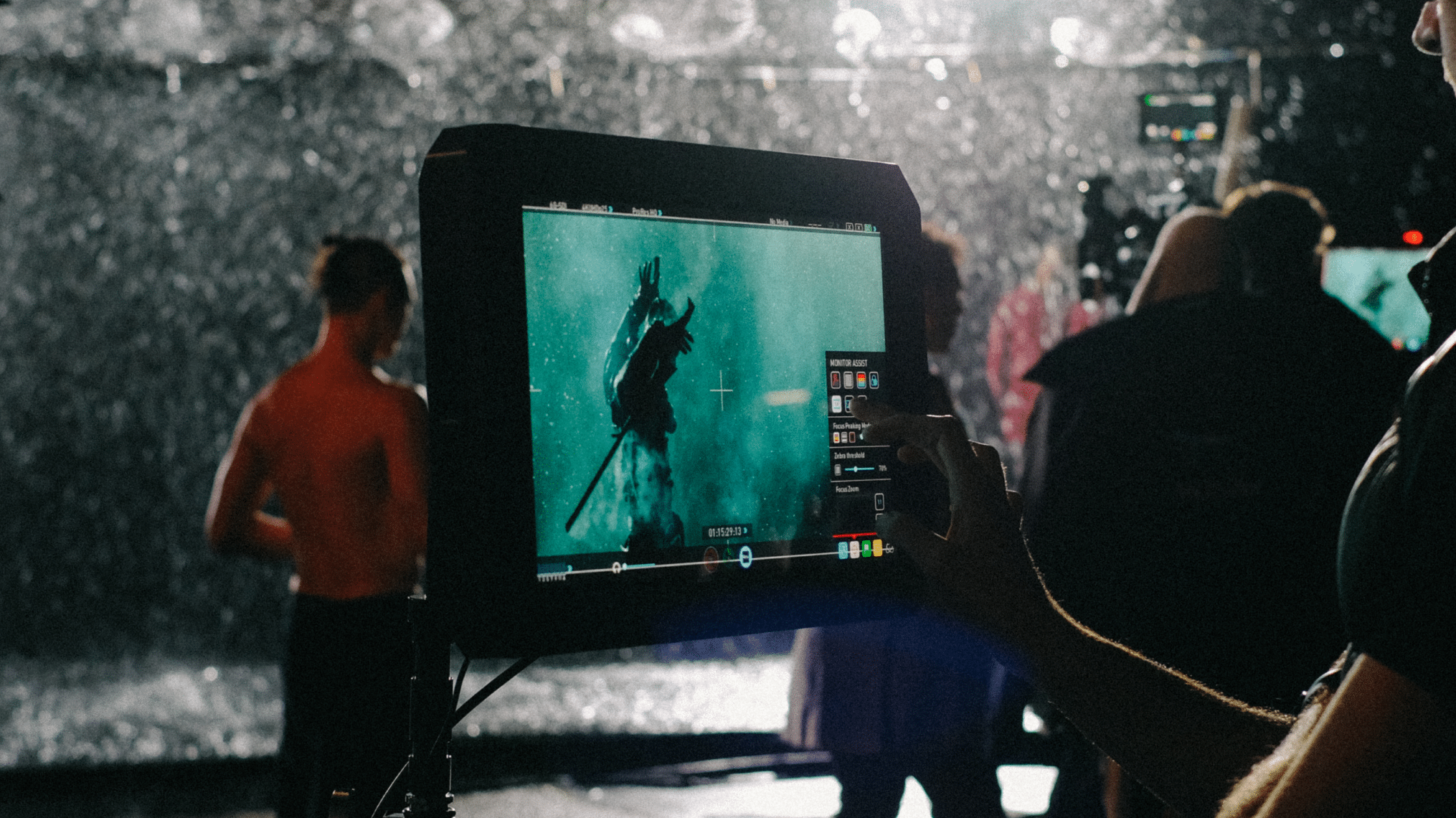
Instead of struggling with the camera’s tiny on-body controls and menu, you can easily manage key camera functions from a much larger touchscreen monitor interface, for example:
- Start or stop recording without reaching for the camera
- Change essential settings (ISO, shutter, aperture, white balance)
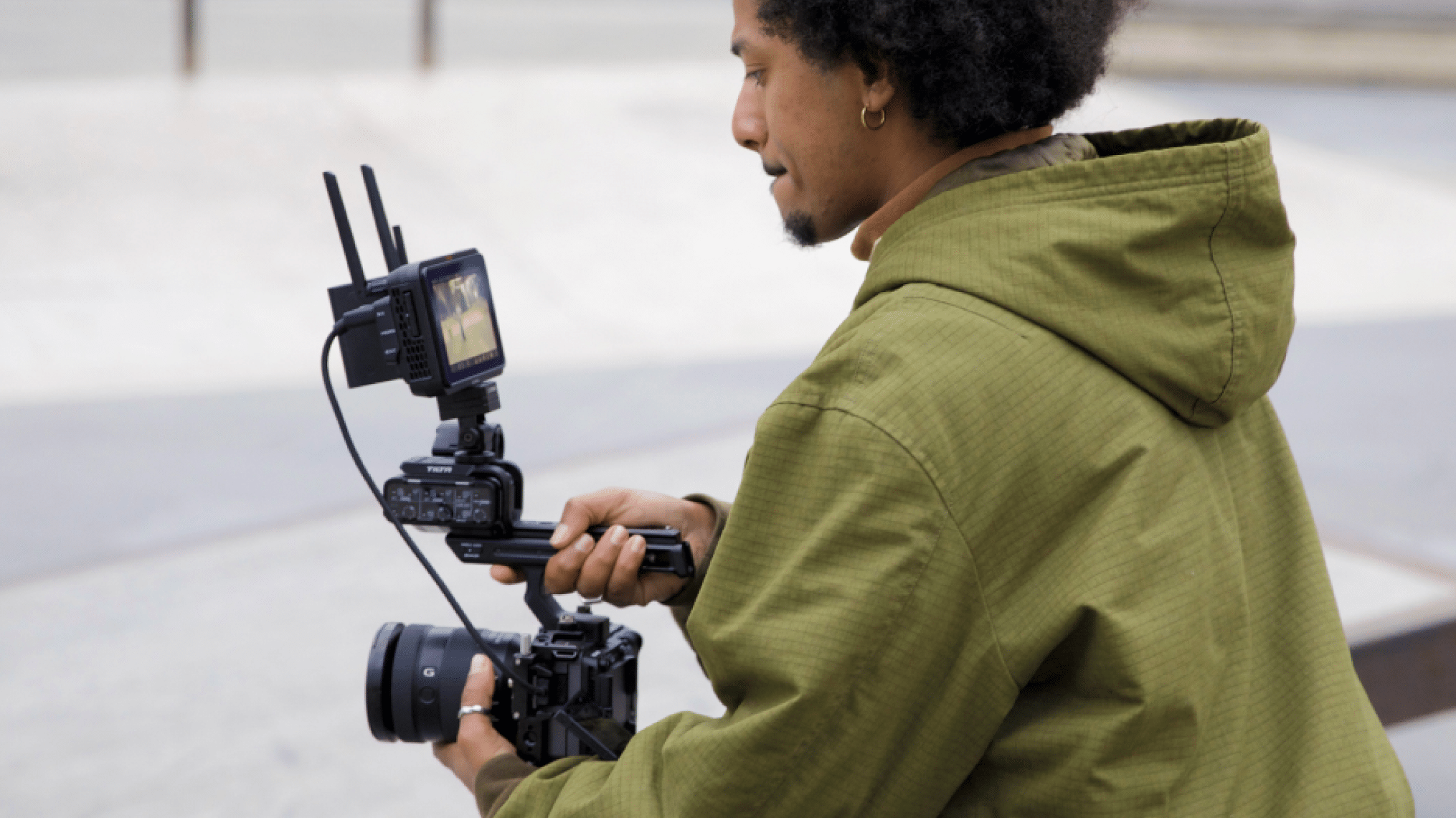
- Monitor and adjust from a more comfortable position (for example when the camera is mounted in a tight spot)
4. Streamlined direct-to-edit workflow
With intra-frame codecs like ProRes and DNxHR, every frame is encoded independently. This makes footage far easier for non-linear editing systems to handle, eliminating the need for transcoding or proxy generation. In many cases, you can edit directly from the media you have recorded to, saving time in post production and reducing data handling steps between acquisition and delivery.
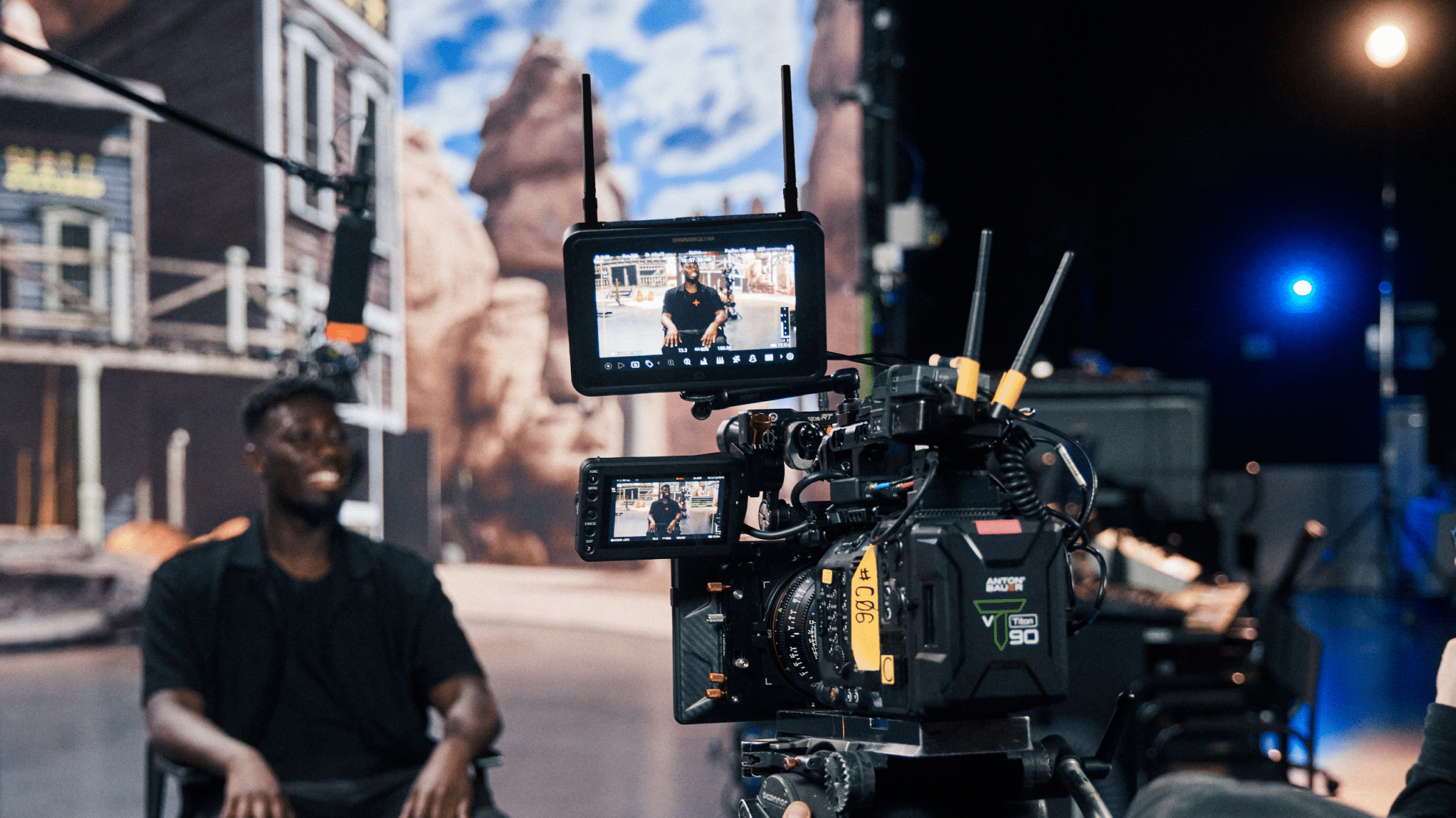
Atomos monitor-recorders are actively cooled and designed for extended sessions, so you can focus on the shoot, rather than worrying about thermal limits or recording shutdowns.
5. Dual recording for backup and cloud workflows
A strong backup strategy is essential in modern production. Atomos recorders can capture simultaneously with your camera’s internal recording, instantly creating two copies of your footage.
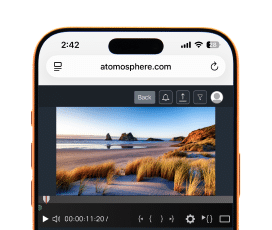
With Camera to Cloud (C2C) support, a third copy can be uploaded automatically to services such as ATOMOSphere, Adobe Frame.io, or Dropbox, enabling editors or collaborators to begin work even while the shoot continues. This workflow reduces turnaround times and adds security to your production pipeline.
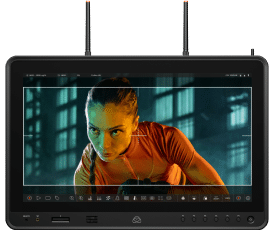
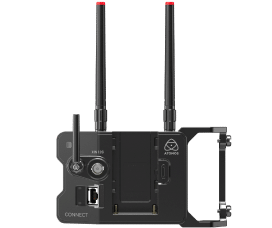
Ninja TX GO, Ninja TX, and Shogun Ultra all have in-built Wi-Fi connectivity.